Hardware hacking for science
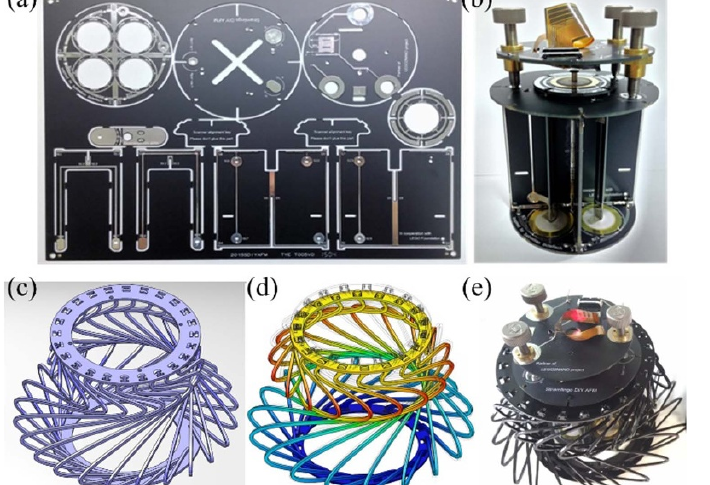
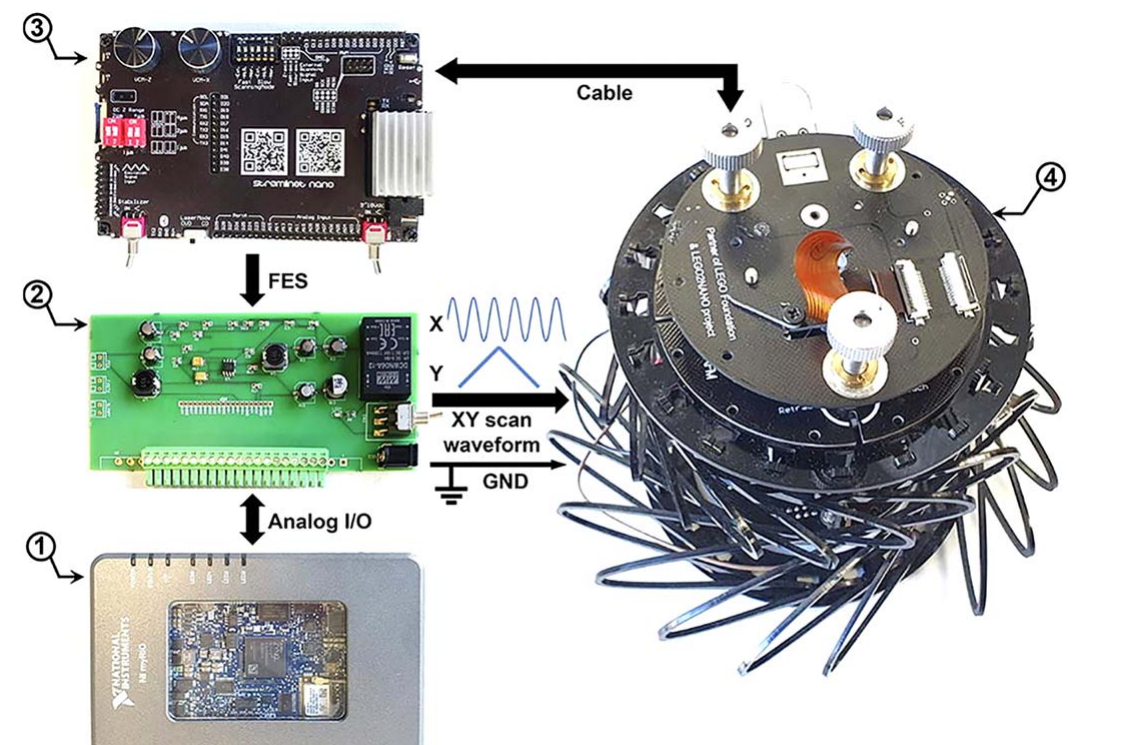
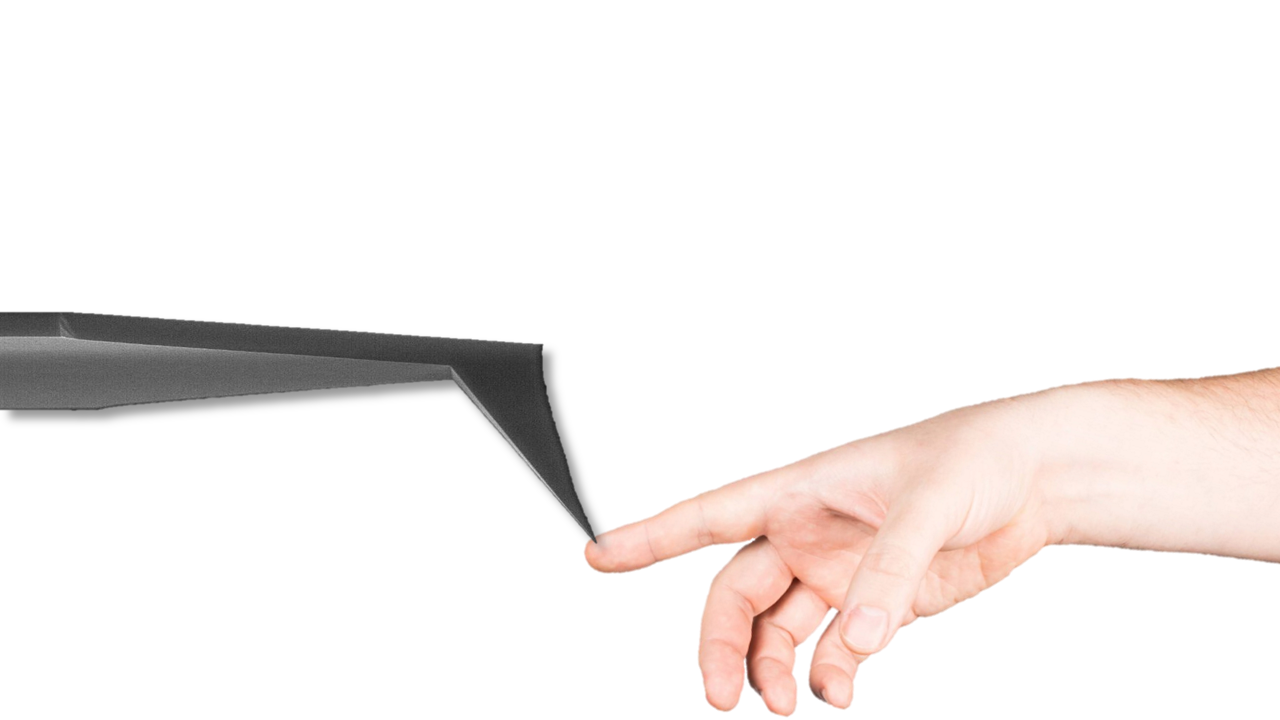
DIY and low-cost atomic force microscopes built around Blu-ray optical pickups, including high-speed AFM. We also build lab-on-a-disc tools such as APELLA, an open-source platform assembled from everyday electronics.
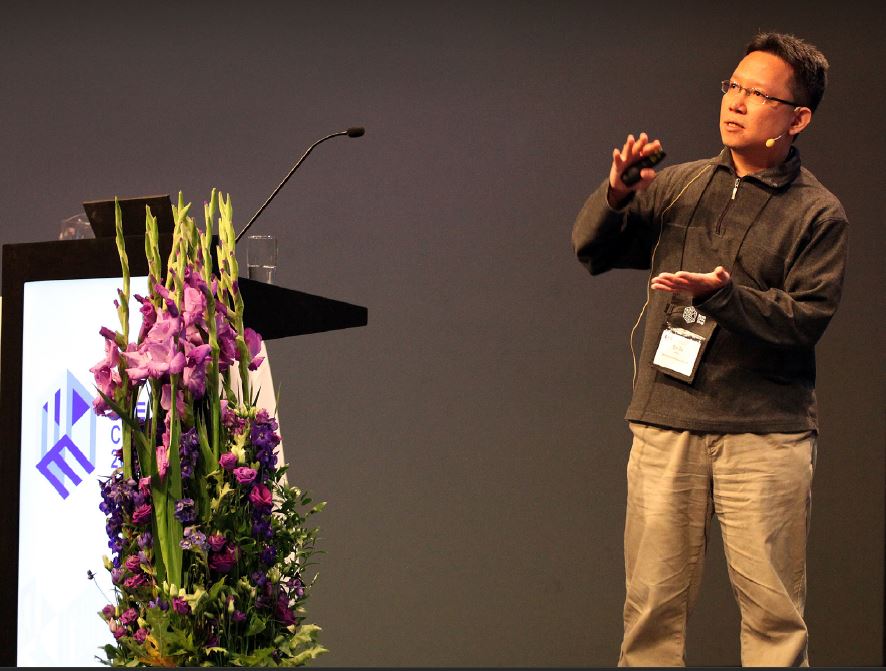
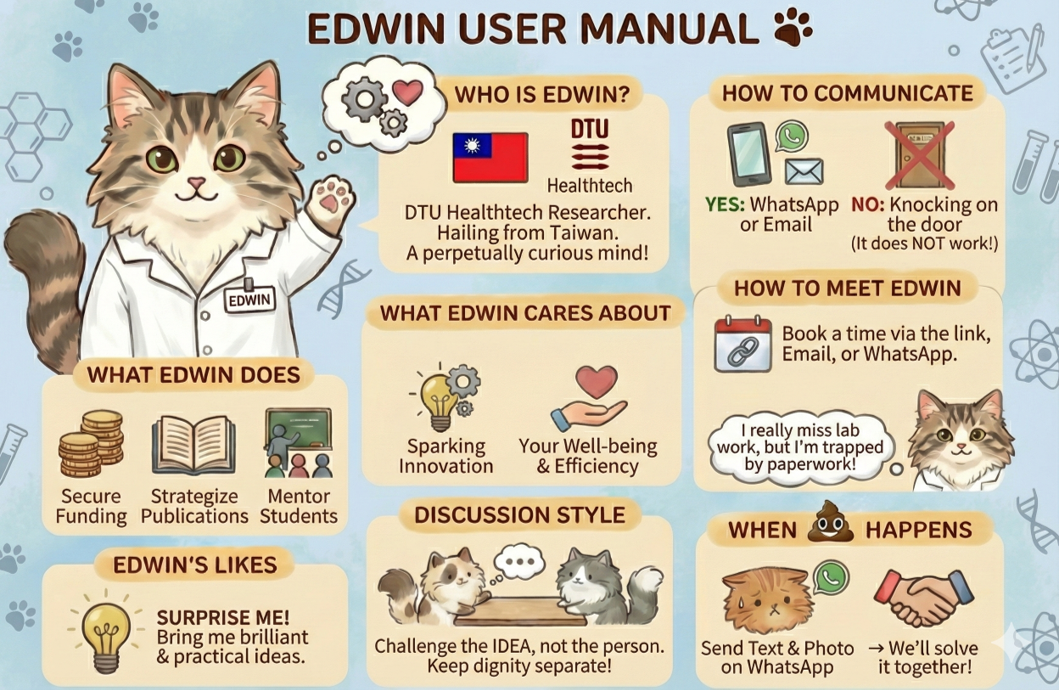
 Edwin Hwu
MIDAS · IDUN section · DTU Health Tech
Hacking consumer electronics into low-cost scientific instruments.
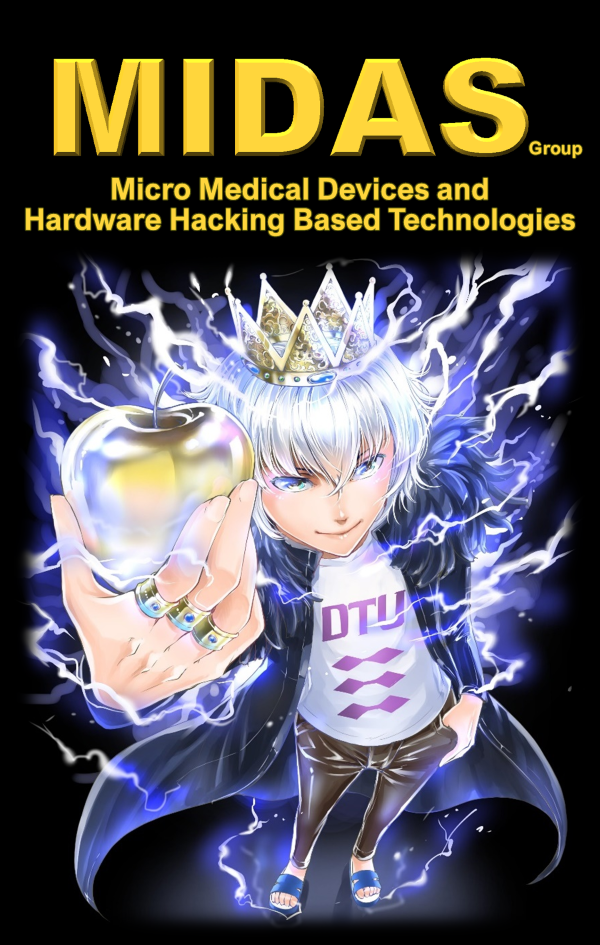
Associate Professor at DTU Health Tech, and lead of MIDAS (Micro Medical Devices and Hardware Hacking Based Technologies) in the IDUN section.
Origin story
Professor, are you seriously telling us to break our gaming consoles for science? Yes, I am :)
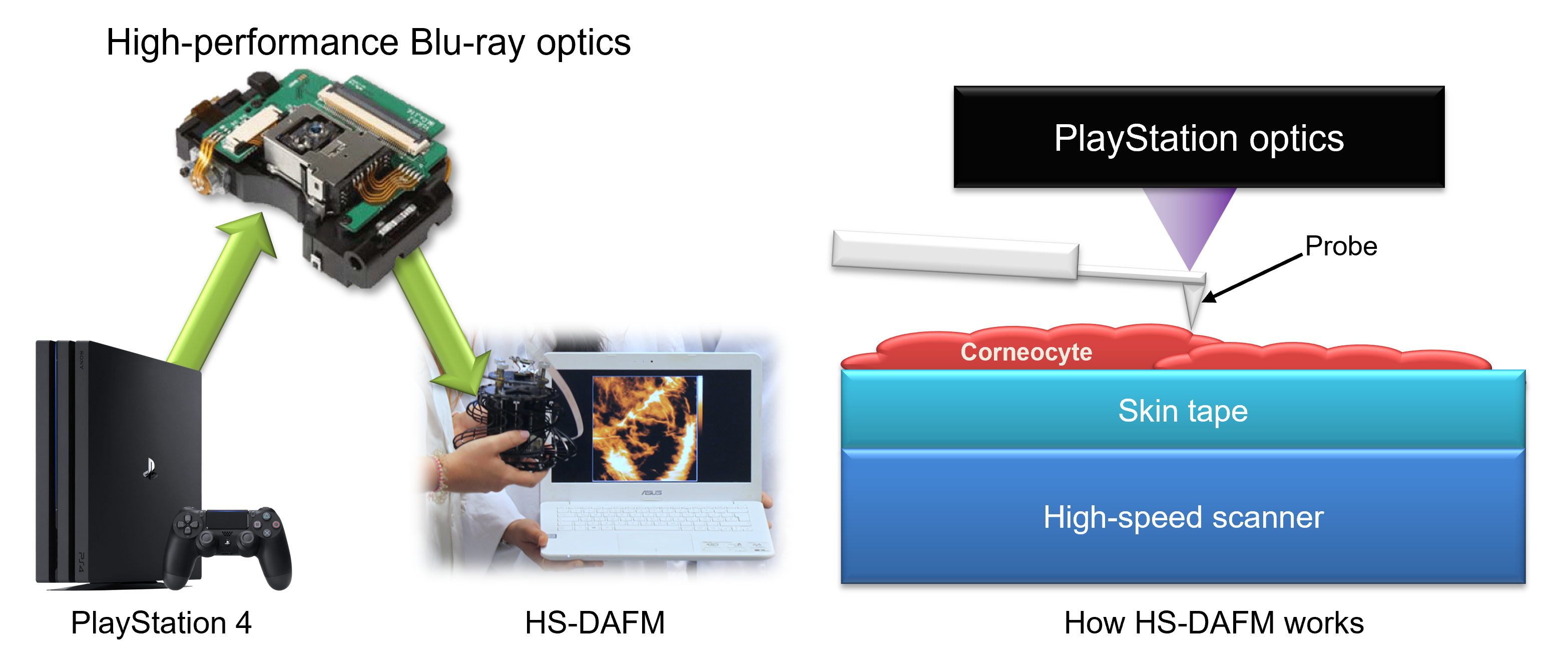
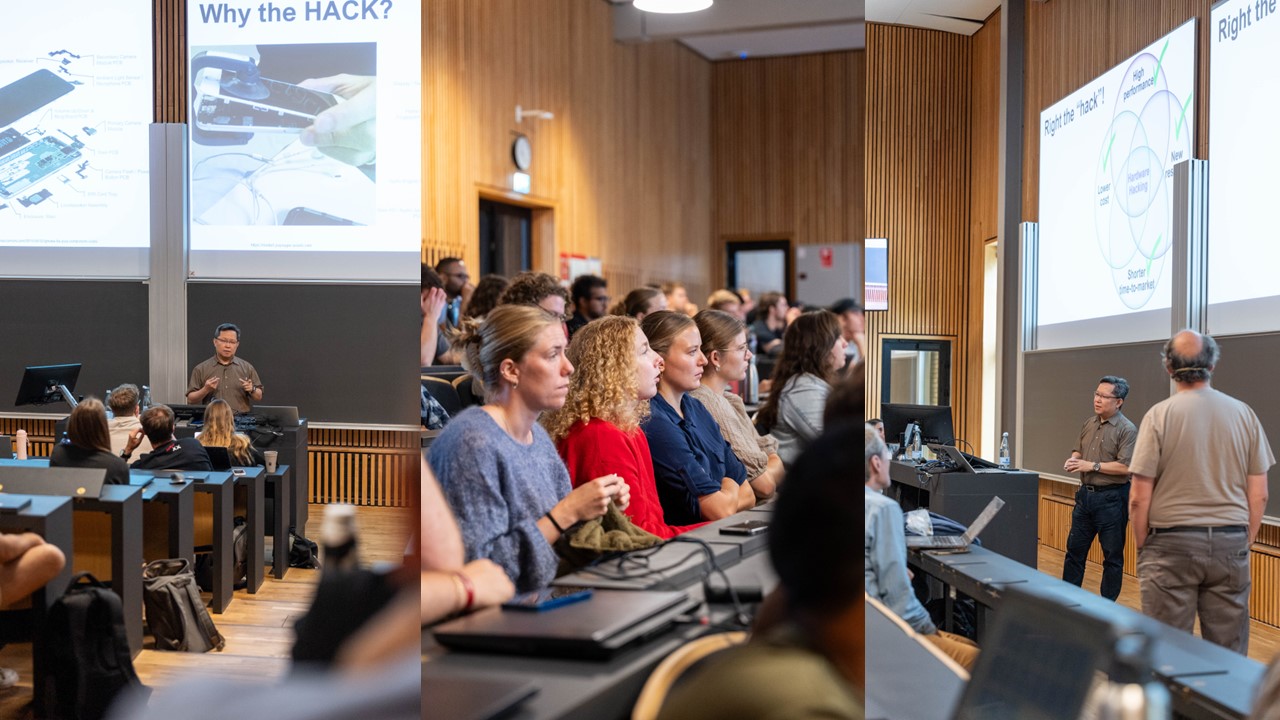
Hardware hacking is my unorthodox way of research. We take mass-produced consumer electronics, like the optical pickup from a CD, DVD or Blu-ray drive or the piezo buzzer from a kid's alarm, and turn them into instruments that labs and classrooms can actually afford.
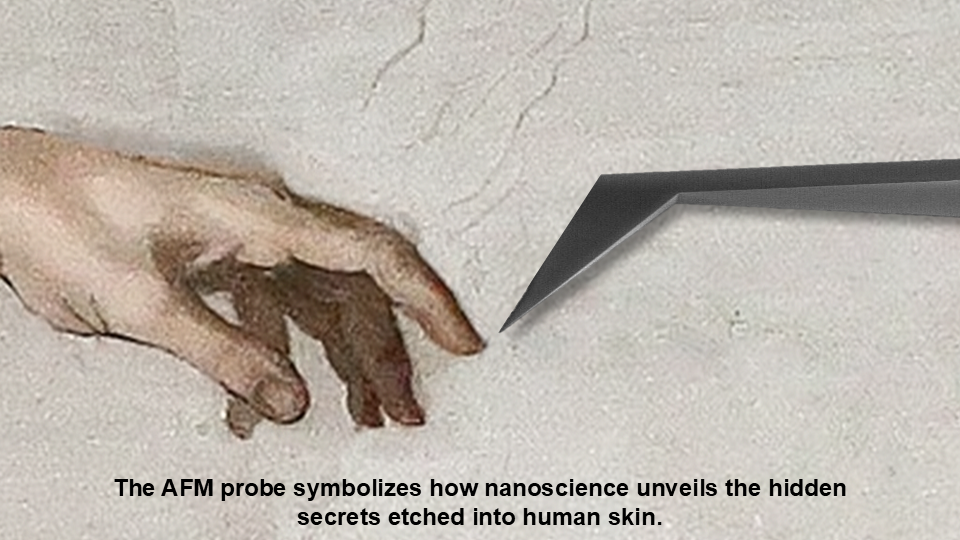
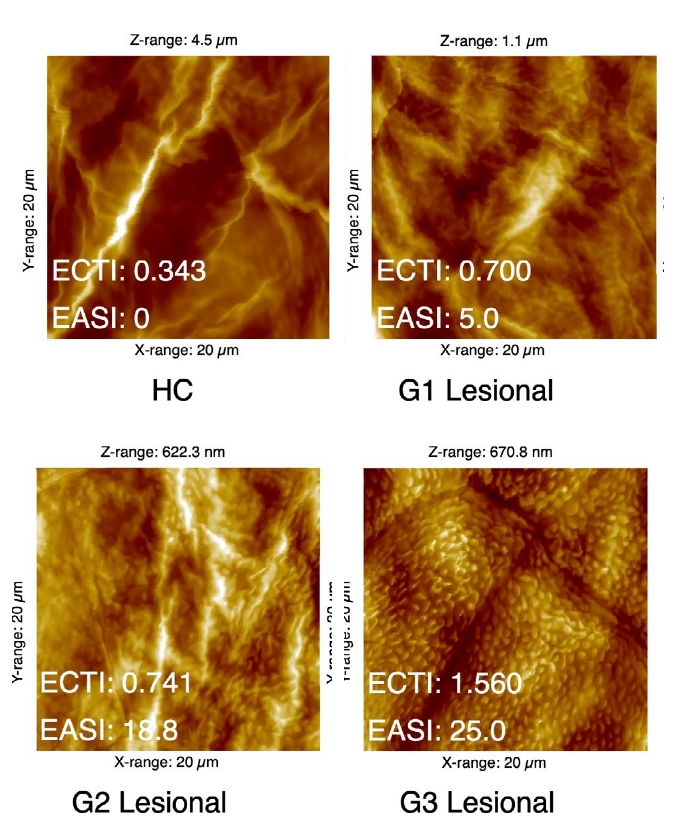
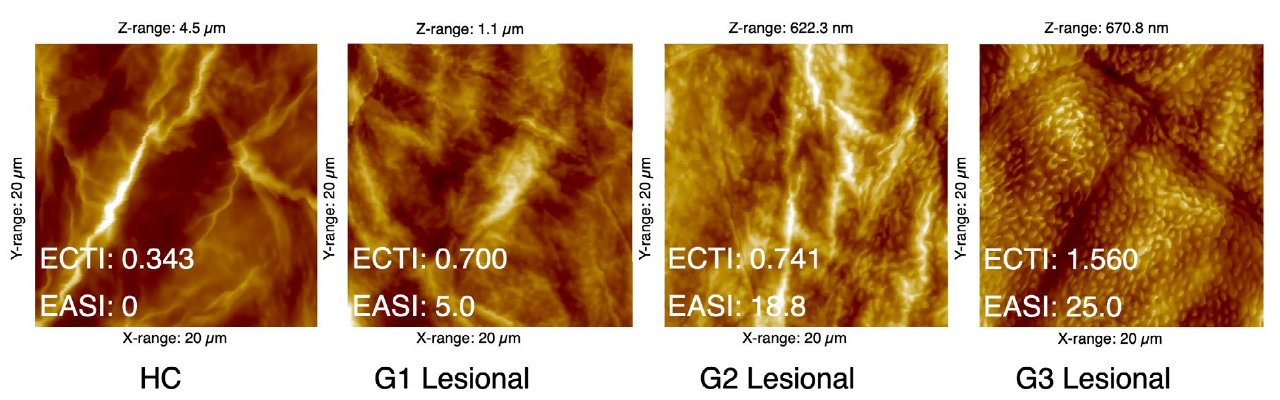
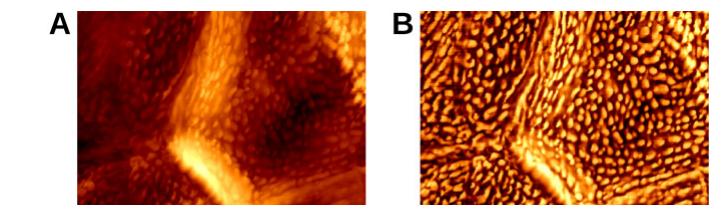
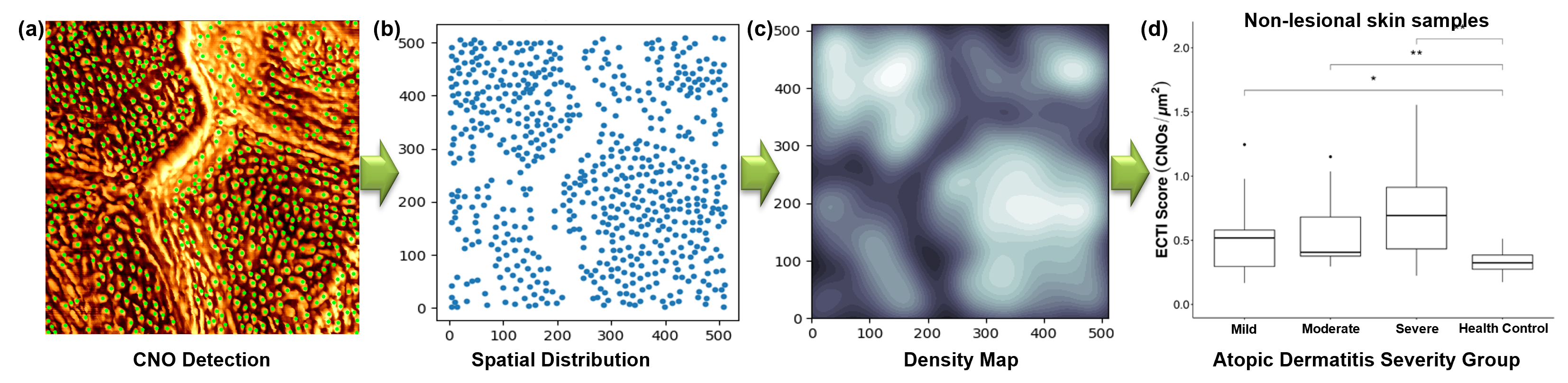
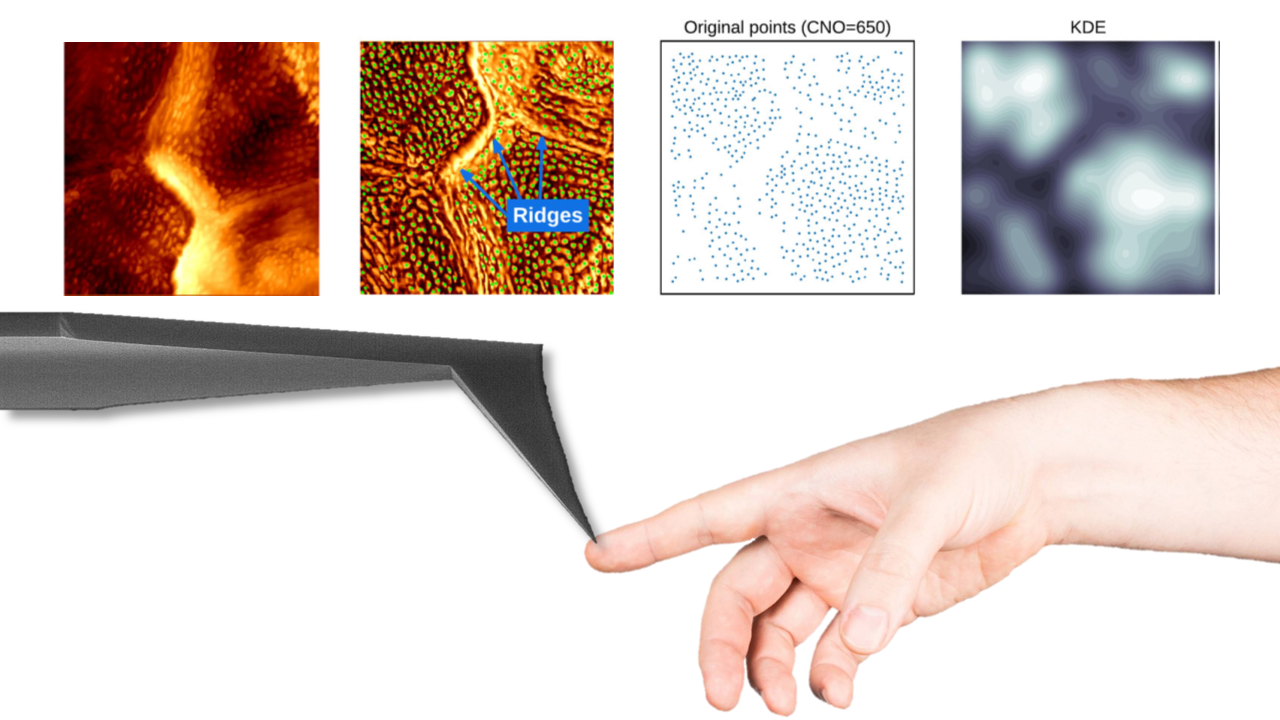
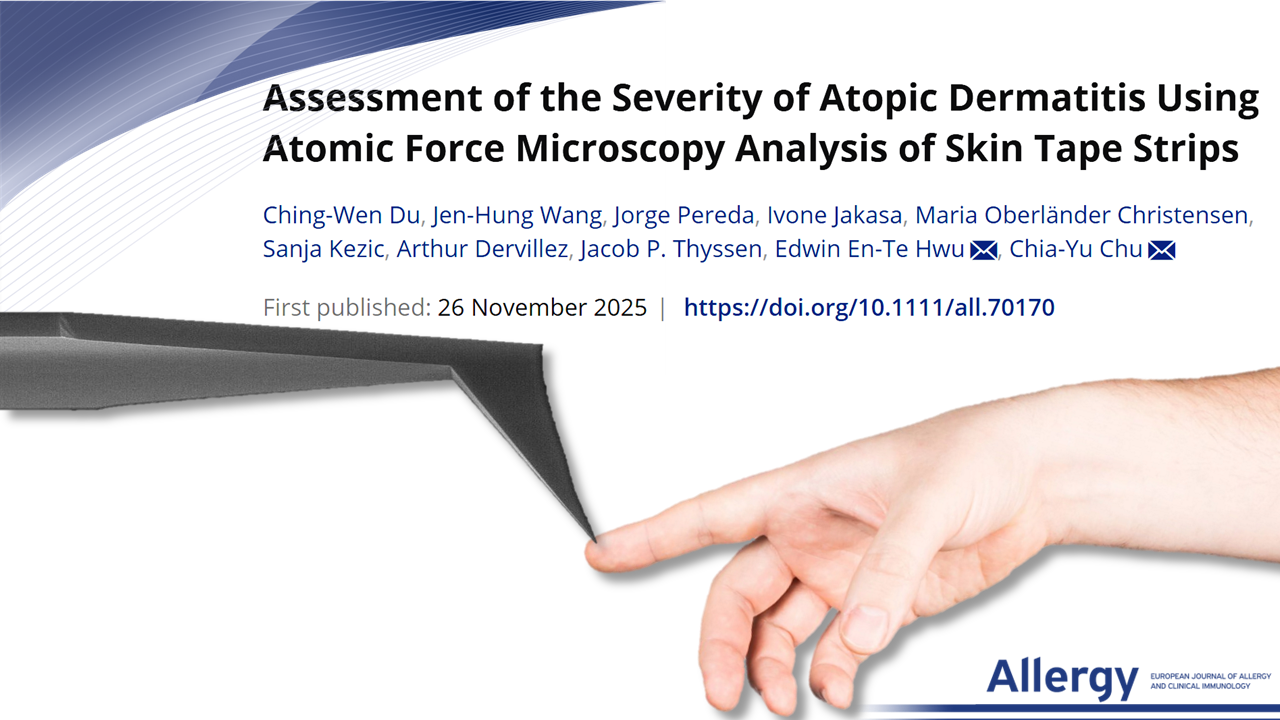
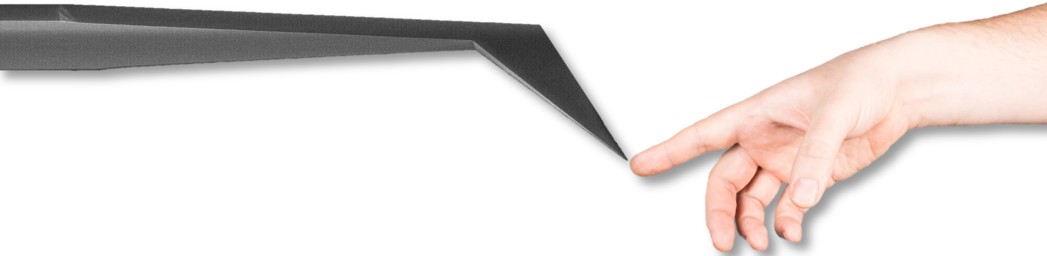
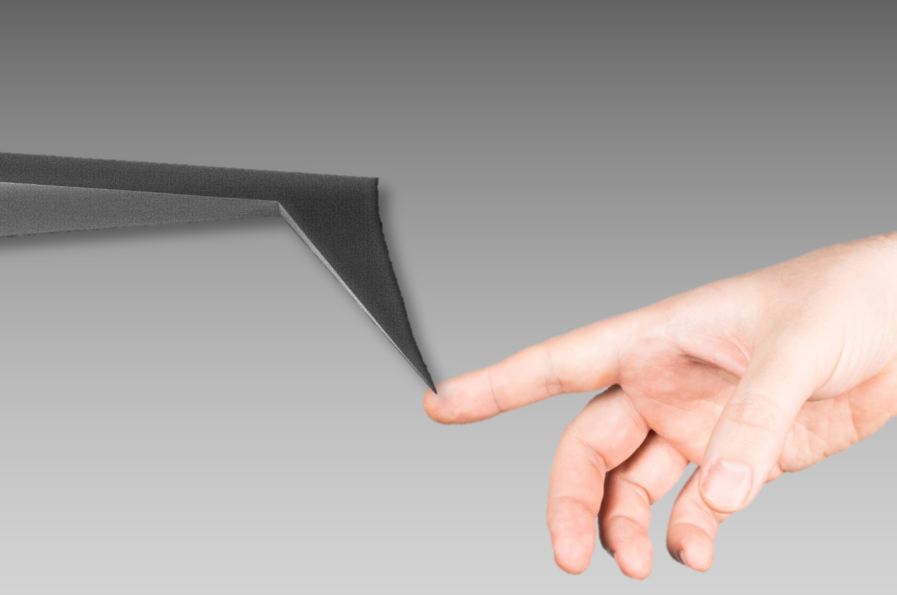
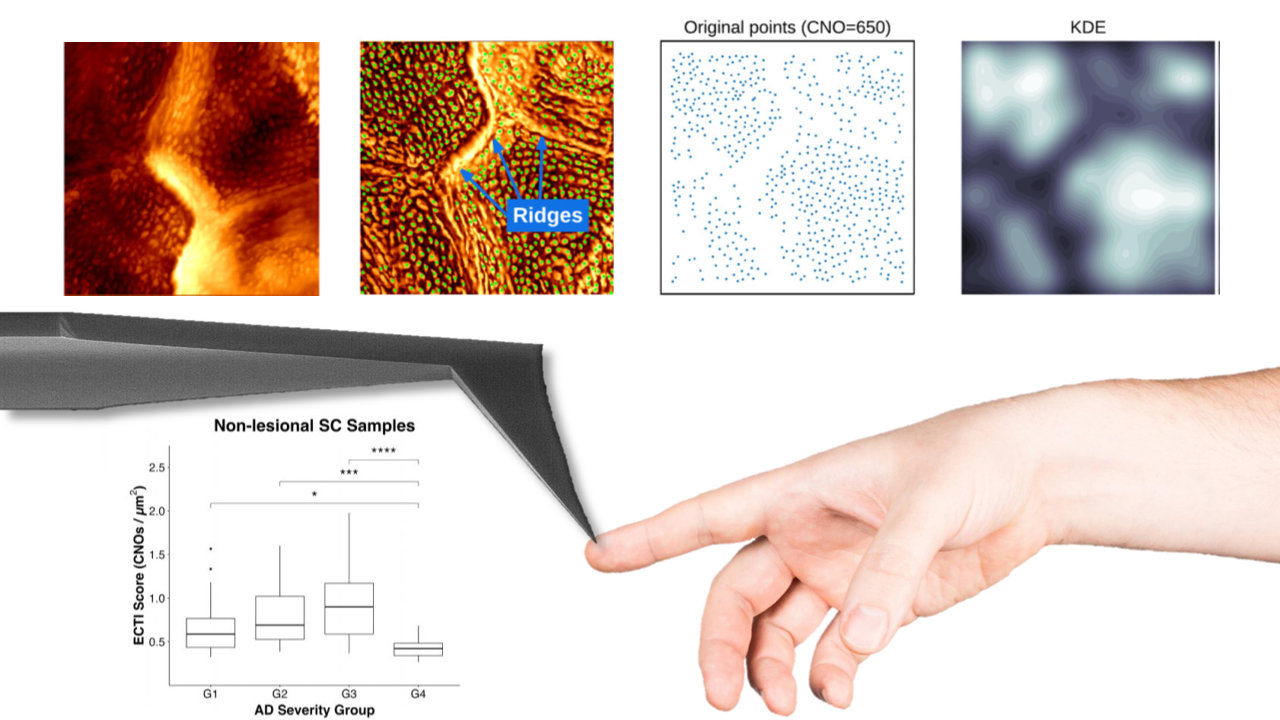
The same spirit runs through our skin work: a painless tape strip and an atomic force microscope, used to read the nanotexture of the skin barrier.
Mass production already did the expensive engineering. A discarded drive can focus a laser and move with the speed a scientific instrument needs, so we treat e-waste as raw material, not trash. We share open designs so other labs, classrooms and citizen scientists can build them too, including through LEGO2NANO.
Focus
DIY and low-cost atomic force microscopes built around Blu-ray optical pickups, including high-speed AFM. We also build lab-on-a-disc tools such as APELLA, an open-source platform assembled from everyday electronics.
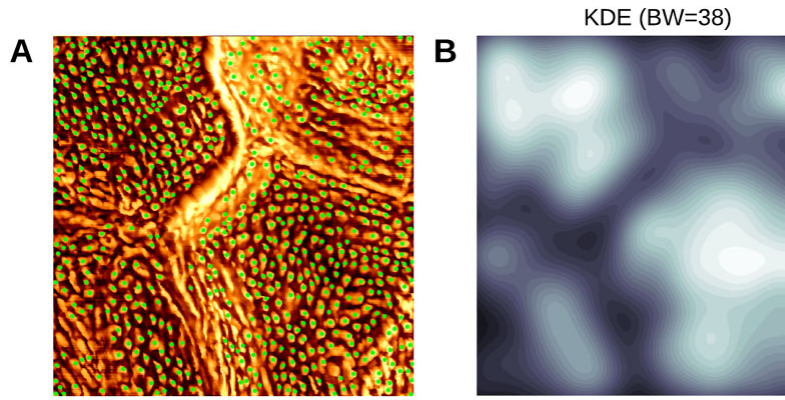
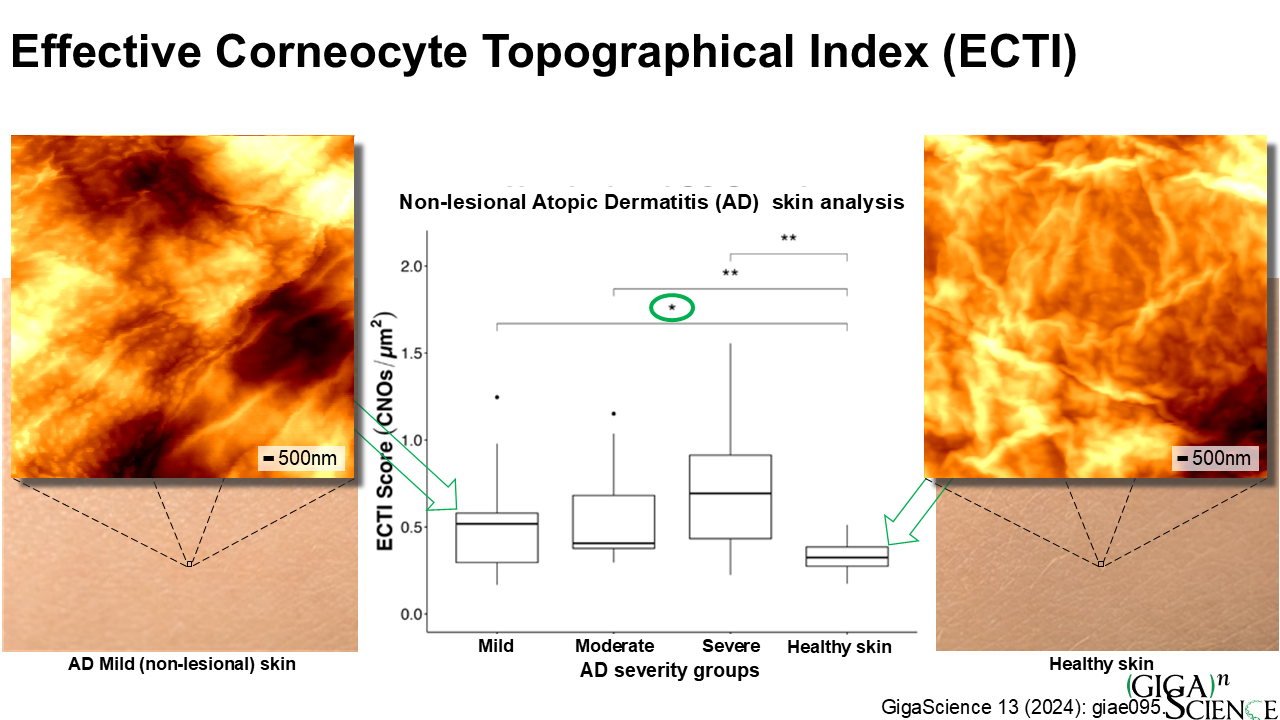
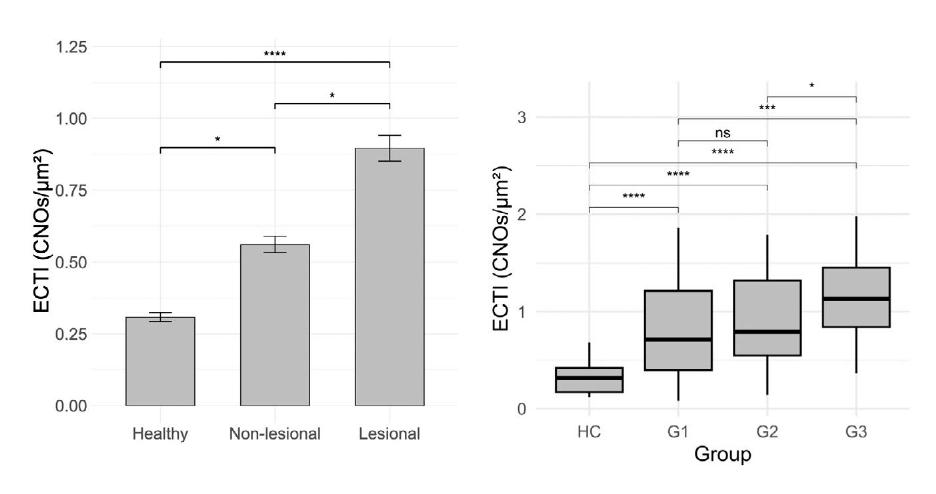
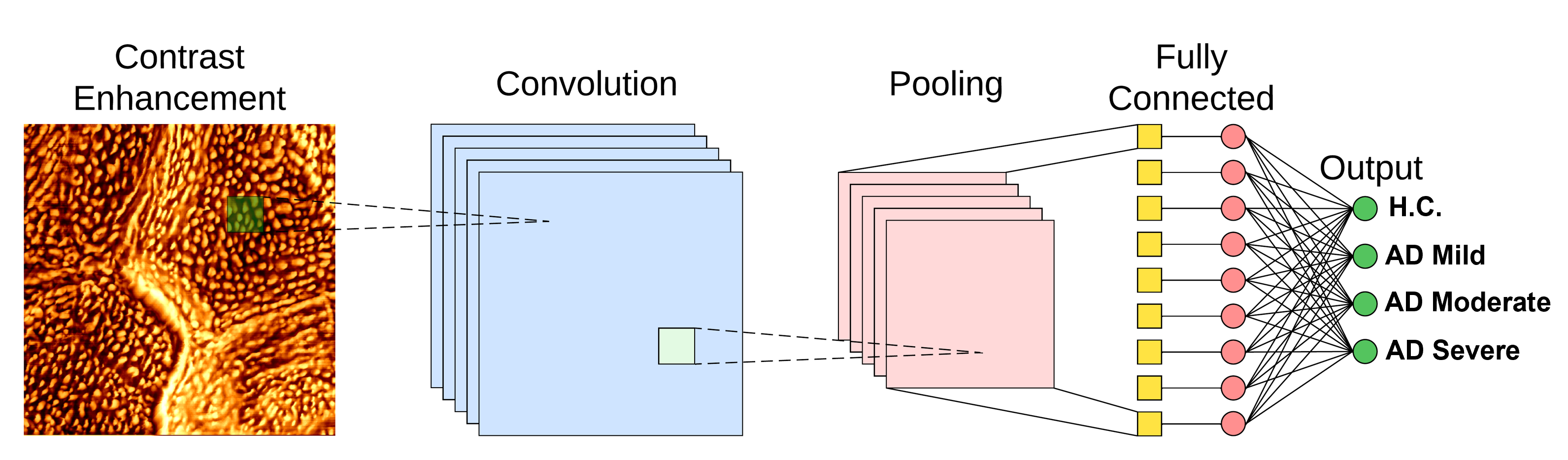
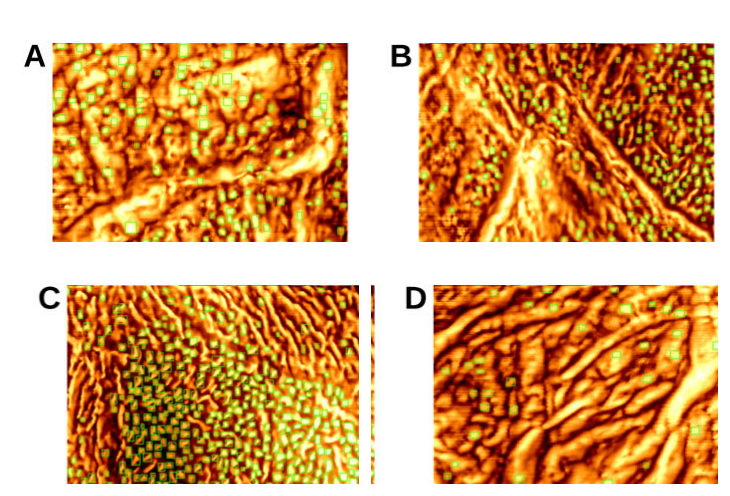
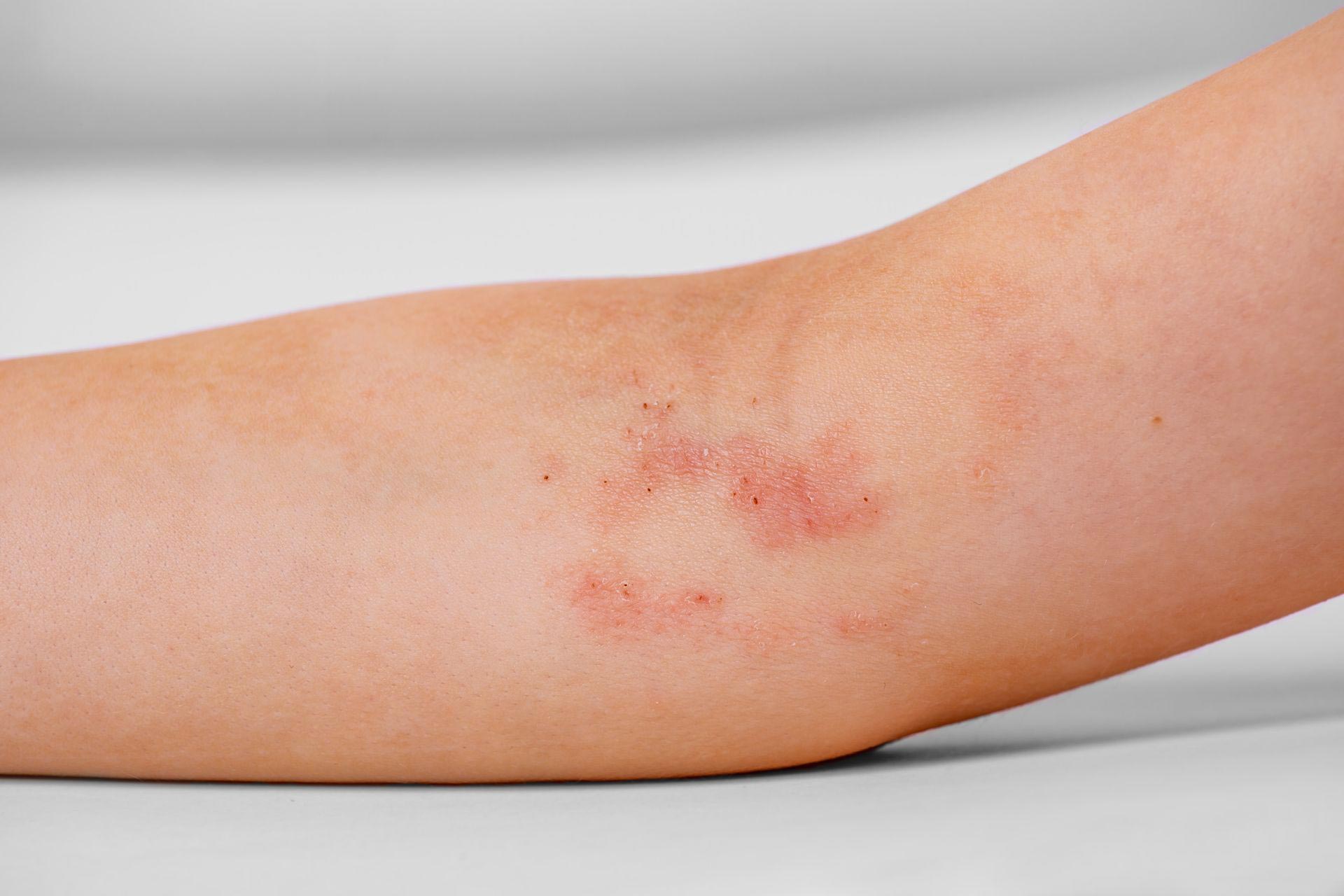
AFM on tape strips to read the nanotexture of corneocytes in the stratum corneum, including in atopic dermatitis. We use the Effective Corneocyte Topographical Index (ECTI) and deep learning to count circular nano-size objects on the scans. The method is non-invasive, and the images are quantitative.
Publications and talks
YouTube
Selected talks and lab videos from @EdwinHwuHacks4Science. More are in the playlists below.
Playlists
Visuals
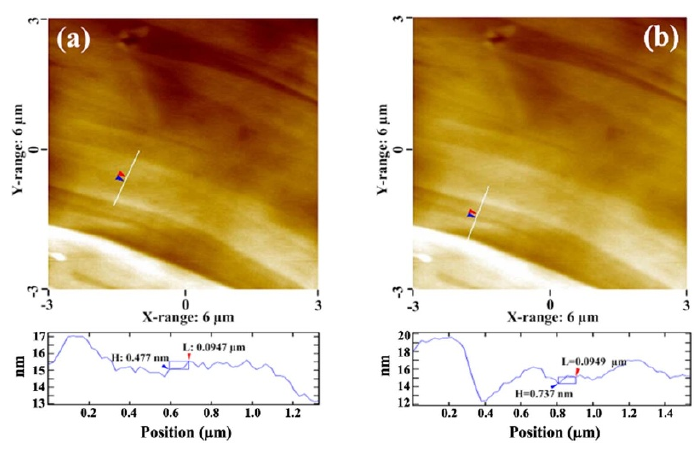
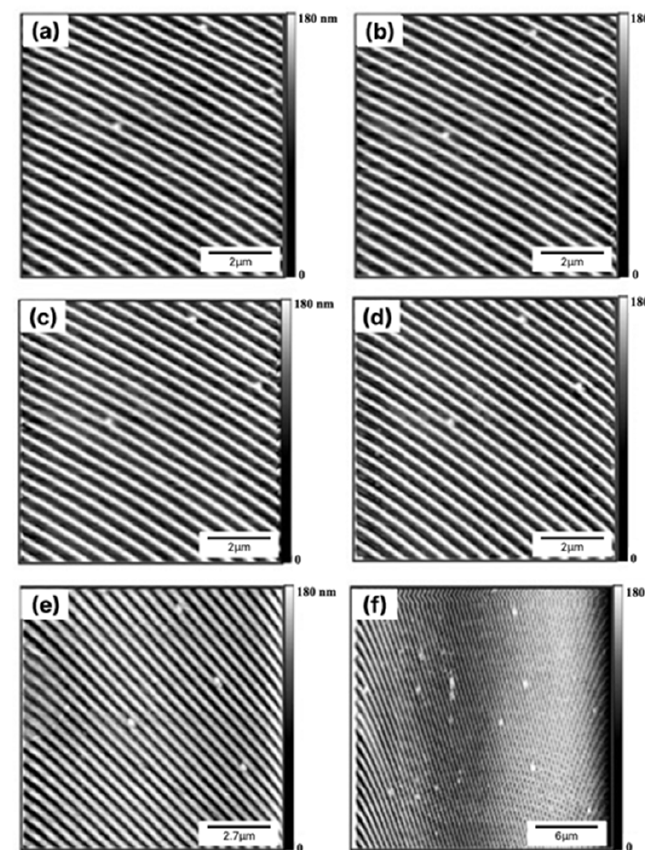
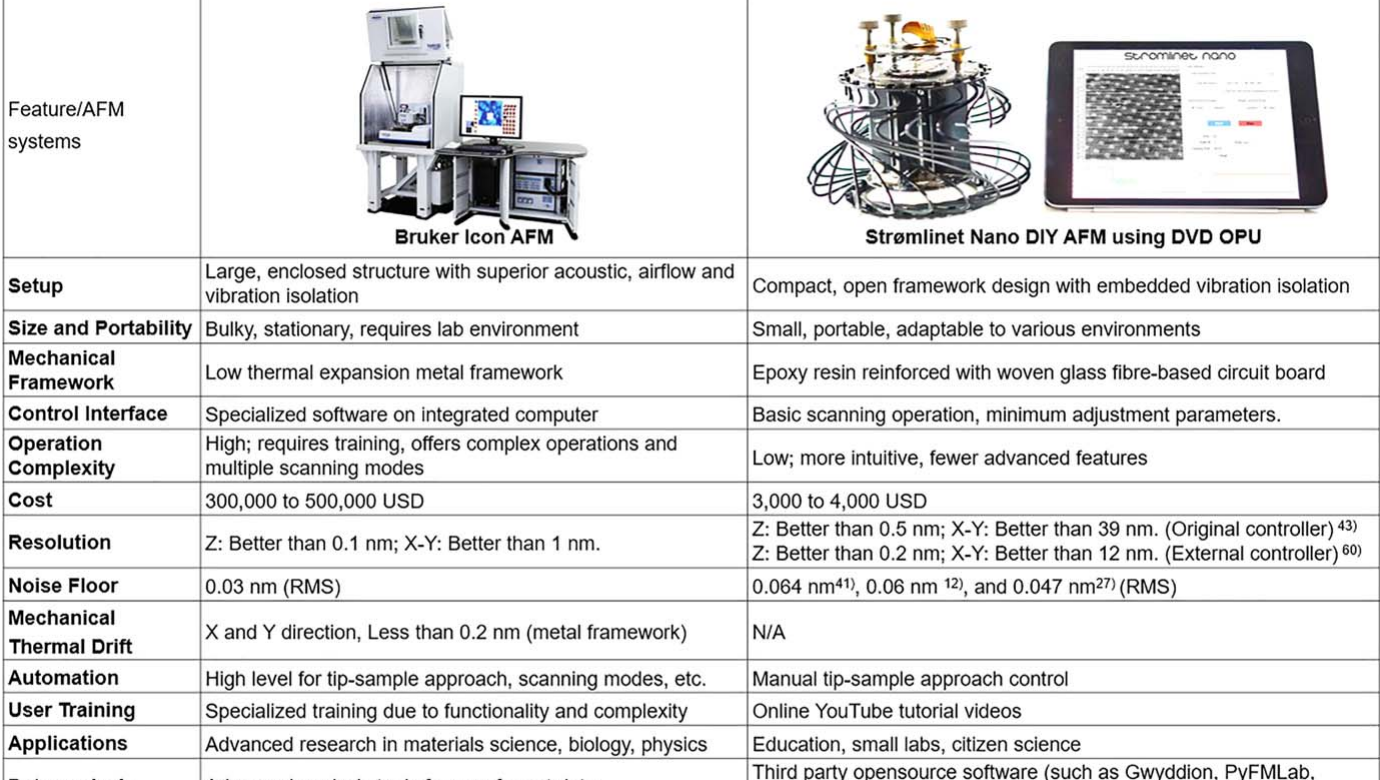
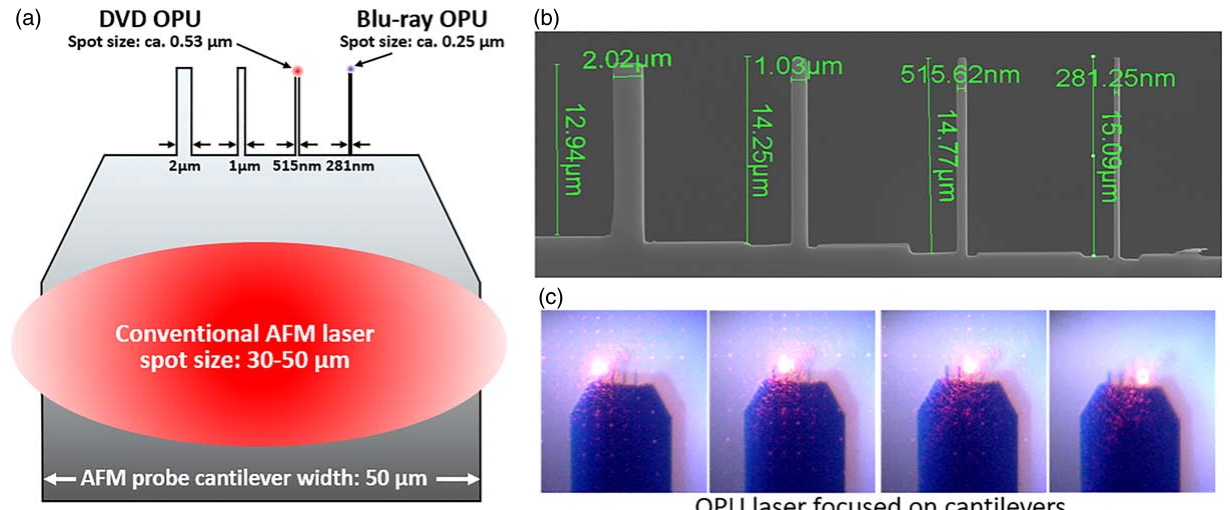
AFM scans, open hardware, promo art and talks. Click any image to open it full size.


Contact
I also serve as CSO and co-founder of Loretta, a cosmetics science company, and previously co-founded BluSense Diagnostics.
IDUN section tool
Ask about IDUN culture, DTU purchase, holiday, safety, Orbit, credit card, and Design Build 4.
The public IDUN AI Assistant lives on a Wix site (multilingual). There is no separate third-party chat-widget script on that page, so this homepage embeds the live site and also opens it in a corner panel.
If the embed is blocked by the browser or by Wix frame rules, use the open link.
The live assistant could not be shown inside this page (common when a host blocks iframes).
Open in a new tab